Football culture does not end when the final whistle blows. The game itself is only one part of a much larger cultural phenomenon. Around it exists an entire world of art, identity, fashion, music, traditions, and communities. This is why football culture reaches far beyond what happens on the pitch.
A Matter of Belonging and Identity
Supporting a team is often closely connected to identity. Club colors, badges, songs, and traditions can represent something about who a person is and where they come from. They may reflect a family, a neighborhood, or an entire city. All of these elements contribute to the formation of communities. Identity can be deeply personal, but football often provides a powerful shared identity as well.
This passion has also found a substantial place in the online world. Fans follow matches, examine statistics and predictions, and some experience the game from another perspective through (Turkish: kumar siteleri). Platforms such as Melbet provide various options alongside sports-related services. However, gambling activities should be treated solely as entertainment and can never guarantee a particular result.
What Elements Spread Football Culture?
Many different influences contribute to the development of football culture. Together, they carry the game beyond the boundaries of the stadium. As a result, football becomes more than a sport and, for many supporters, develops into part of a broader way of life. Some of the main elements behind this cultural influence include:
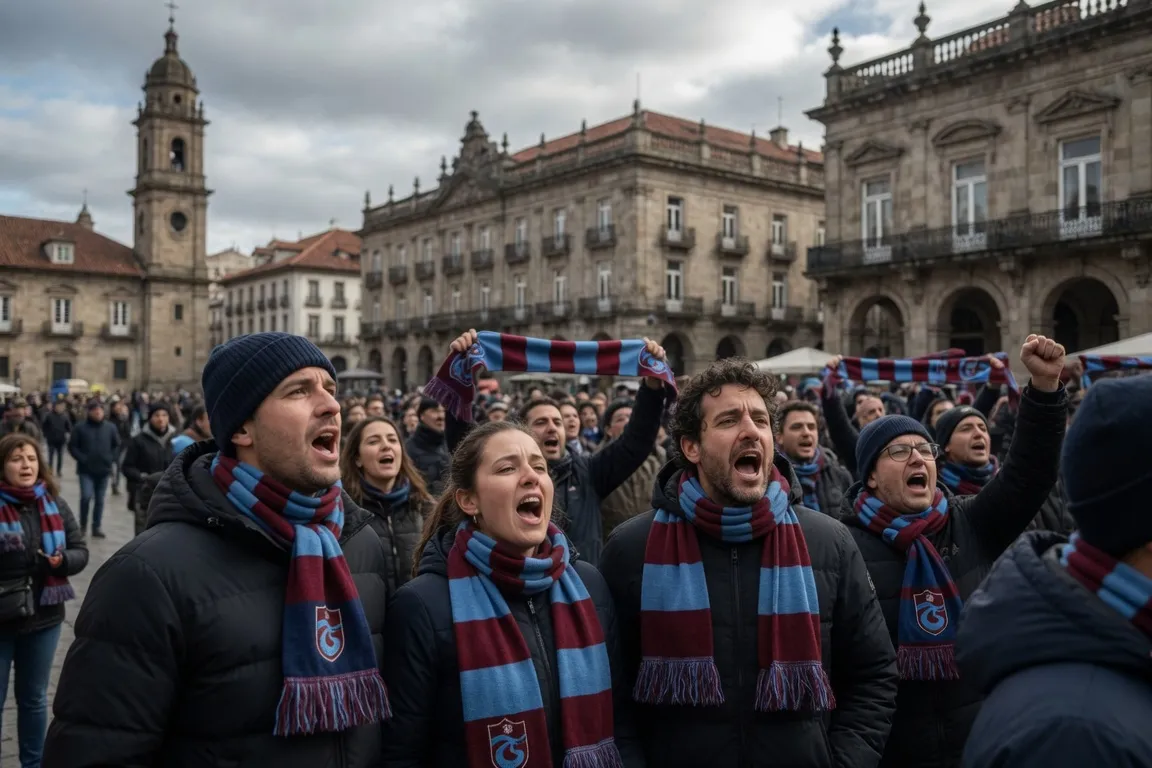
- Stadium chants and choreographed displays turn supporter enthusiasm into a form of performance and visual art.
- Street art and graffiti bring football passion onto the walls of cities.
- Fashion and football shirts influence everyday clothing and personal style.
- Music and club anthems give supporter identity its own distinctive voice.
- Digital communities connect football fans around the world.
Much of this cultural activity now also takes place on digital platforms. Fans can follow match news and results through applications such as Melbet APK while sharing content and interacting with online communities. Football culture can therefore remain accessible from a smartphone almost anywhere. Any betting-related services offered through such platforms should still be treated as entertainment and cannot promise certain outcomes.
Combined, these elements turn football into something larger than a sequence of individual matches. The game leaves its mark on streets, homes, cafés, public spaces, and buildings. Supporters create distinctive traditions, symbols, and stories. Over time, football becomes an evolving cultural tradition that continually passes its own legends from one generation to another.
| Cultural Element | Expression Beyond the Pitch |
|---|---|
| Stadium choreographies | Turning supporter enthusiasm into visual art |
| Street art | Bringing football passion onto city walls |
| Shirts and fashion | Influencing everyday style |
| Anthems and music | Giving supporter identity a voice |
| Digital communities | Connecting fans around the world |
Football has achieved a cultural reach that relatively few forms of entertainment can reproduce. One of the game’s greatest strengths is its ability to bring people together. Differences in language or location do not necessarily prevent people from connecting through a shared passion for football. In this sense, the game often reflects the cultures and communities in which it is played.
Across countries and cultures, football can create connections between people who might otherwise have very little in common. Someone can live thousands of kilometers away from a club and still develop a strong connection with it. Shared passion allows supporters to form relationships across geographical boundaries, contributing to the emergence of a genuinely global football culture.

Where Music, Art, and the Street Meet
Music is one of the clearest expressions of football’s cultural power. Over time, chants sung by supporters can become part of a city’s collective memory. They tell the story of a club while also communicating the emotions of the community around it. This makes music one of the most recognizable expressions of football passion.
Some football songs eventually extend beyond the teams with which they were originally associated. They can become connected with memories of particular generations, historic matches, or periods in a city’s history. People may even sing or recognize them outside football stadiums. In this way, football music becomes part of everyday cultural memory.
Art is equally important to this cultural landscape. Famous players and defining moments can be portrayed in murals across city neighborhoods. Such works may express both local identity and community pride. Like songs and chants, they transform football into something that can be experienced beyond the match itself.
These murals can become landmarks in their own right. Some visitors deliberately seek them out when exploring neighborhoods associated with famous clubs or players. Football thereby becomes part of how a community represents itself visually and how outsiders encounter its identity.
The street is where many of these cultural elements come together. Children learn about football while playing in courtyards, parks, and public spaces. Cafés become crowded and energetic on match days. Shirts appear in everyday fashion, while conversations about clubs and players become part of ordinary social life. These examples show how deeply football culture can become integrated into a community’s daily routine.
Street football also provides an important connection with the professional game. Many professional players began by playing informally with friends before entering organized academies and clubs. This connection between elite football and ordinary public spaces helps explain why the sport continues to be described as the people’s game. Football belongs to the street as much as it belongs to major stadiums.
Football’s Social and Economic Dimension
Football culture is also a significant social and economic phenomenon. On match days, its impact can be visible across a city. Public transport, cafés, restaurants, shops, hotels, and other local businesses may experience increased activity as supporters gather around an event. The economic influence of football can therefore extend well beyond the stadium itself.
People naturally form different social groups, but football has an unusual capacity to bring individuals from different backgrounds together. Supporters of different ages and professions may stand beside one another in the same stadium or participate in the same local community. At its best, this shared experience can create a sense of collective belonging.
Football can also provide a constructive form of activity for young people. Playing the game encourages movement, teamwork, communication, and regular practice. Community clubs and informal street football can create social environments where young people interact with others while developing sporting skills.
Some of the habits developed through organized sport can also extend beyond the pitch. Regular training may encourage discipline, persistence, teamwork, and greater confidence. Football cannot guarantee these outcomes for every individual, but well-run sporting environments can provide valuable opportunities for personal and social development.
Balancing Entertainment and Responsibility
Online betting and gambling should be treated as entertainment rather than a way to make money. Anyone who chooses to participate should establish personal limits for both time and spending. Responsible gambling services may provide tools such as self-exclusion, deposit controls, session timers, and break reminders. Gambling is also subject to age restrictions and local laws, so users should follow the requirements in their jurisdiction and use appropriately licensed services where these activities are permitted.
Sports statistics should likewise be viewed as information rather than a reliable method of generating gambling profits. Betting always involves uncertainty, and statistics or probability models cannot guarantee an outcome. If gambling begins to create financial pressure, becomes difficult to control, or stops feeling like entertainment, taking a break is the more responsible option.
Licensing and regulation can provide standards relating to transparency, consumer protection, and responsible gambling, although the specific protections vary between jurisdictions. Maintaining clear personal limits remains important regardless of the platform being used. The central experience should remain enjoyment of football itself rather than financial pressure connected with its results.
How Fans Experience Football Culture
Football culture gives supporters many ways to experience the sport beyond simply watching a match. Following a game, sharing the experience with a community, and celebrating club traditions were once more separate activities; digital communication has increasingly brought them together. This makes football easier to integrate into everyday life. A few simple approaches can help supporters enjoy the broader culture around the game:
- Learn about your team’s stadium culture, history, and traditions.
- Join local supporter communities to broaden your experience.
- Share match days with friends and enjoy the atmosphere together.
- Check the source of news before sharing it with others.
- Treat rival supporters with respect and maintain a spirit of sportsmanship.
Over time, supporters become not only participants in football culture but also people who carry it forward. They pass songs, symbols, memories, rituals, and stories to younger generations. This allows football culture to evolve continuously while demonstrating that the sport is about much more than what happens before the final whistle.
This process of cultural transmission keeps supporter communities and traditions alive. Some customs are preserved almost unchanged, while others are adapted by younger generations. The result is a culture that can remain recognizable while continually renewing itself.
Supporters do not simply watch football; many experience it as part of their social lives. Every chant, shared celebration, shirt, match-day gathering, and conversation can become part of the wider culture. The game is transformed from a spectacle into a collective experience that holds meaning in the everyday lives of millions of people.
That is one of the clearest expressions of football’s cultural power. Even after the final whistle, its traditions continue in streets, homes, cafés, music, fashion, art, and digital spaces. Football therefore exists well beyond the boundaries of the pitch.
A Passion That Lives Beyond the Pitch
Football creates a cultural experience that extends far beyond 90 minutes. Music, art, fashion, local identity, and a sense of community have built an entire world around the game. For supporters in Turkey and elsewhere, football can function as a shared cultural language woven into everyday life.
What matters is experiencing that passion with awareness, respect, and responsibility. When rivalry remains respectful and digital entertainment stays within healthy limits, football culture can continue doing what it has done for generations: connecting people through a game whose influence reaches far beyond the field itself.