Reward systems have always been part of gaming. Long before battle passes, daily login bonuses, loot boxes and premium currencies became standard, players were already chasing extra lives, high scores, unlockable stages and the simple feeling of getting better after every attempt. The format has changed, but the core idea remains the same: rewards give players a reason to continue.
Modern gaming reward systems do much more than hand out items. They influence how long players stay active, how often they return, how they value progress and, in many cases, whether they decide to spend money. A reward can be a Fortnite skin, a Dota 2 Battle Pass level, a Counter-Strike case drop, a Genshin Impact character pull, a Monopoly GO dice bonus or a simple XP boost after a match.
What matters is not only the reward itself, but how it is presented, timed and connected to the player’s sense of progress. The best systems make players feel that every session has value. The worst systems make progress feel restricted, confusing or artificially slowed down.
From High Scores to Digital Incentives
Early arcade games used simple but powerful reward loops. Players inserted a token, tried to survive, chased a higher score and compared their results with others. The reward was not always a physical prize. Often it was status: seeing your initials on the leaderboard, reaching a harder stage or proving that you had mastered a machine better than the next player.
Console and PC games expanded this idea. Instead of short arcade sessions, players moved through longer campaigns, unlocked characters, collected items and completed hidden objectives. Rewards became part of progression. A new level, secret area or stronger item gave players a sense that their time had turned into visible advancement.
Online games then added a new layer. Rewards became repeatable, seasonal and social. Players could log in daily, complete quests, collect event items, climb ranks, unlock skins or progress through a battle pass. This created a more complex relationship between the game and the player: the game was no longer only something to finish, but something to return to.
Why Rewards Keep Players Engaged
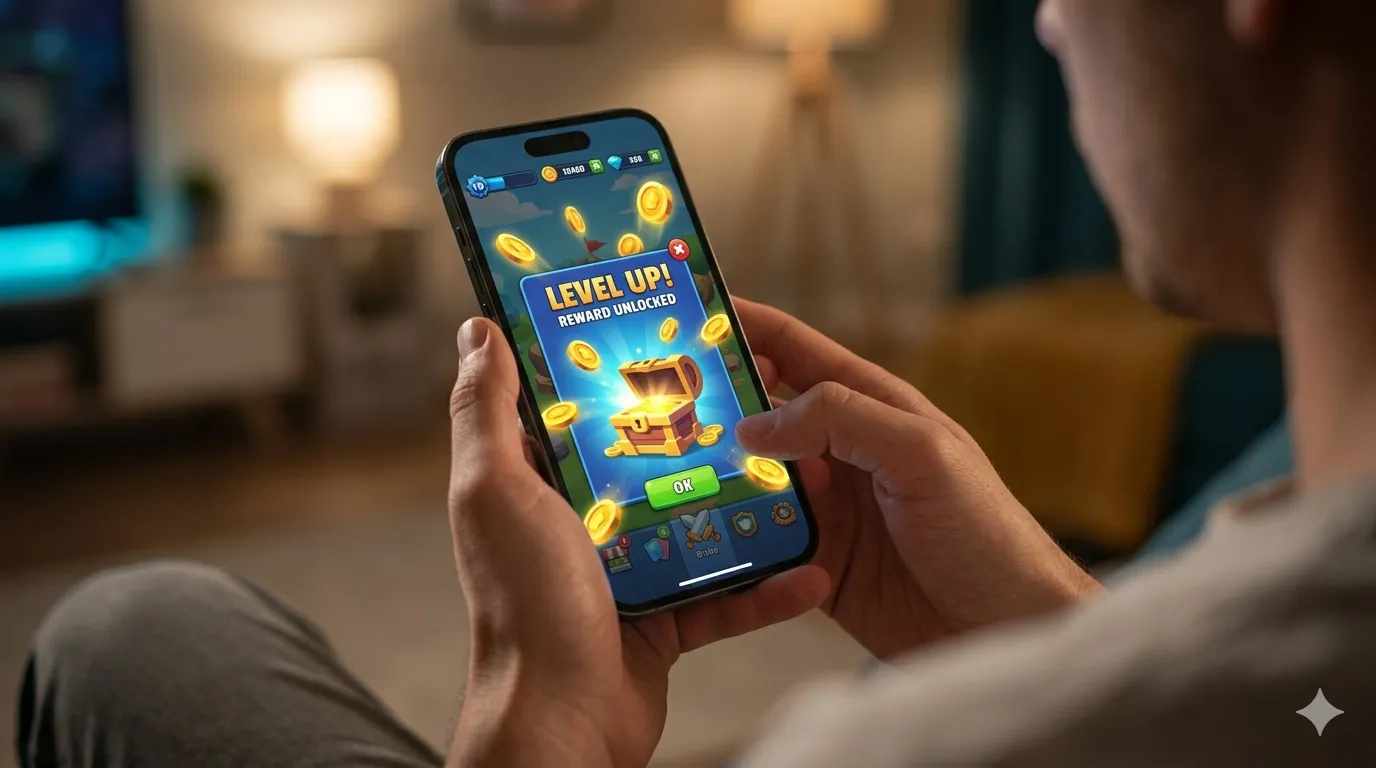
Rewards work because they give structure to play. A player may start a game for fun, but rewards help define what to do next. Daily tasks, XP bars, event challenges, unlock tracks and seasonal missions all create small goals. These goals make even short sessions feel productive.
To understand how these systems dominate modern gaming, here is a quick breakdown of how reward structures target different stages of player commitment:
| Reward Type | Core Mechanism | Psychological Trigger | Key Example |
|---|---|---|---|
| Short-Term | Daily logins, instant match XP | Instant gratification & dopamine hits | Candy Crush boosters |
| Mid-Term | Weekly challenges, event tasks | Habit building & goal setting | Monopoly GO events |
| Long-Term | Battle passes, ranked seasons | FOMO & social status | Fortnite skins, Dota 2 levels |
Three Levels of Player Motivation
- Short-term loops: immediate feedback like XP, coins, match rewards, loot drops or daily login bonuses that satisfy the need for instant progress.
- Mid-term goals: weekly missions, crafting targets, event rewards or limited-time challenges that keep players returning across several days.
- Long-term achievements: seasonal battle passes, ranked leaderboards, rare cosmetics or account milestones that build loyalty over weeks or months.
Fortnite is a clear example of long-term reward design. Its battle pass gives players a visible path of skins, emotes, V-Bucks and cosmetic unlocks. Even if someone only plays a few matches, they can still see progress toward the next reward. Dota 2 has used battle pass-style systems in a similar way, tying cosmetics, event content and community goals into a longer engagement cycle.
Mobile games use the same logic in shorter sessions. Candy Crush gives players streaks, boosters and event rewards to make quick sessions feel useful. Monopoly GO relies heavily on dice rolls, daily rewards, timed events and collection mechanics to keep players checking in repeatedly. This is a classic compulsion loop: the player receives a small reward, sees the next possible milestone and feels encouraged to return for another short session.
How Rewards Influence Spending Behavior
Reward systems affect spending because they shape perceived value. A player is more likely to spend when a purchase feels useful, timely or emotionally satisfying. A starter pack can feel attractive because it offers a quick boost. A cosmetic item can feel valuable because it expresses identity. A battle pass can feel worthwhile because the player sees a full path of future rewards before buying.
Common Spending Triggers in Game Reward Systems
- Scarcity: limited-time rewards can make players act faster because they fear missing out.
- Progression: paid upgrades feel more useful when players are already invested in a goal.
- Randomness: loot boxes, cases or gacha pulls create excitement through uncertainty.
- Social comparison: rare skins, mounts or badges become more desirable when other players can see them.
- Bundling: bonus currency, extra items or discounted packs make purchases feel like better value.
Counter-Strike cases show how randomness and cosmetic value can influence player behavior. The item may not improve performance, but rare skins can carry status, identity and marketplace value. Genshin Impact uses another version of this model through gacha mechanics, where players spend currency for a chance to unlock characters or weapons. The emotional pull comes from uncertainty, rarity and the possibility of getting something highly desired.
The problem begins when rewards feel less like motivation and more like pressure. If a game slows down progress too aggressively, players may feel pushed toward spending. If paid rewards create too much power, the system can feel unfair. If currencies and bonus items are confusing, players may struggle to understand what they are really buying.
Free Rewards and Low-Risk Entry
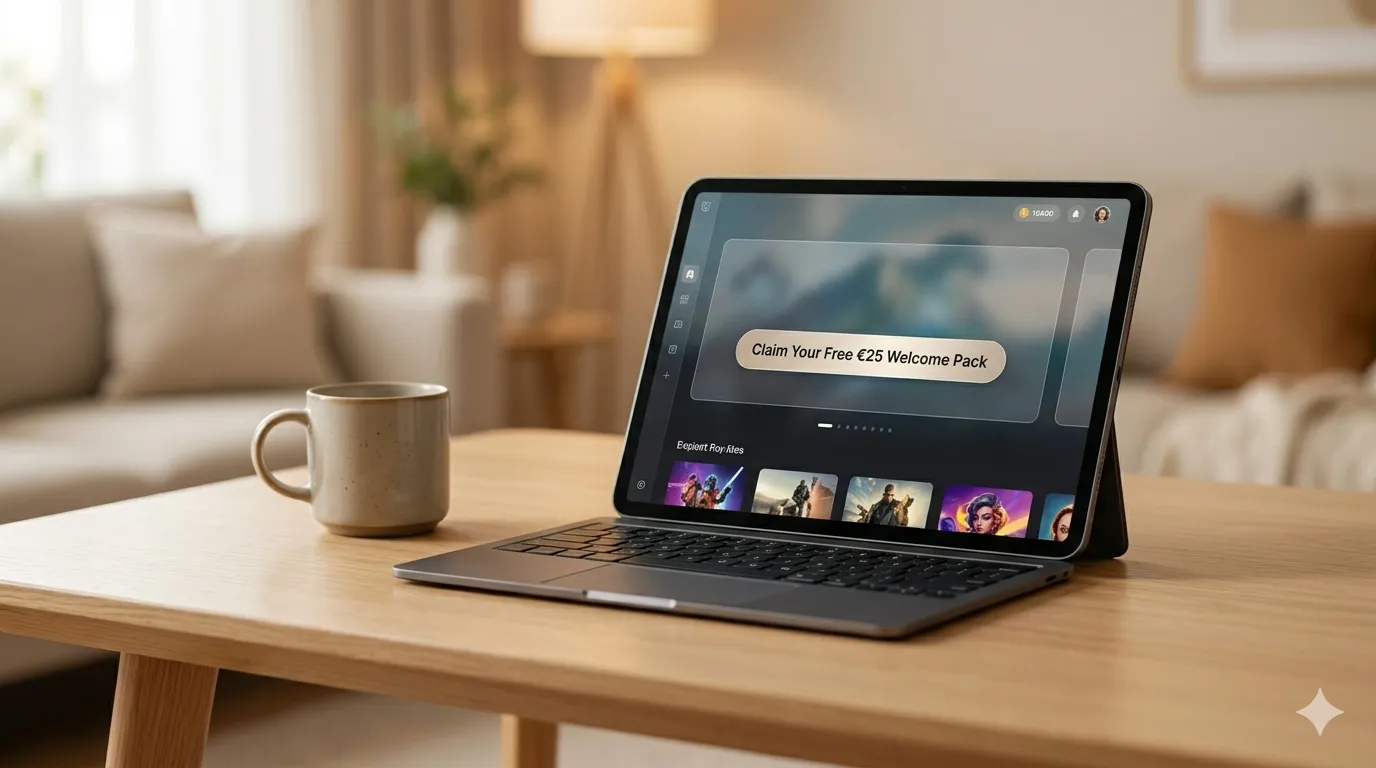
Free rewards are especially powerful because they reduce friction. A player who receives a login gift, starter pack, free resource bundle or trial item has a reason to try the system before making a deeper commitment. This is common in mobile games, MMOs and live-service titles, where early rewards help players understand the game’s economy and feel immediate progress.
This psychological trigger is not exclusive to traditional video games; it is heavily utilized across the broader digital entertainment and iGaming sectors to lower the barrier to entry. For instance, platforms often introduce players to their ecosystem using risk-free incentives — such as a €25 no-deposit bonus — which mirrors the gaming “starter pack” model, building user trust before any financial commitment is required.
This is also why clarity matters. A free reward should not feel like a trick. It should explain what the player receives, how it can be used and what limitations apply. The clearer the reward, the more likely it is to feel fair.
Random Drops and the Feeling of Fairness
Random rewards can be exciting. Rare drops, surprise items and unexpected upgrades create tension because the player does not know exactly what will happen. This uncertainty triggers a powerful dopamine loop: the player anticipates the reward, experiences the reveal and then wants to repeat the action in search of another high-value outcome.
However, randomness can also damage trust. If drop rates are hidden, players may feel misled. If rare items are too difficult to obtain, the system may feel hostile. If random paid rewards affect gameplay power, players may see the game as unfair. The issue is not randomness itself, but unclear randomness.
How Games Make Randomness Feel Fairer
- Visible drop rates: players can see the odds before engaging with the system.
- Pity timers: the game guarantees a high-value reward after a certain number of attempts.
- Cosmetic-only rewards: random rewards do not create gameplay advantages.
- Alternative unlock paths: players can earn important items through time and effort, not only chance.
Genshin Impact’s pity system is a good example of an attempt to make random pulls feel less punishing. Counter-Strike cases, on the other hand, show how powerful random cosmetic rewards can become when rarity and status are part of the appeal. Both systems rely on uncertainty, but players judge them based on transparency, perceived fairness and the value of the possible outcome.
When Reward Systems Become a Problem
A reward system becomes weak when it stops respecting the player’s time. This usually happens in predictable ways. The game may add too many currencies, making value difficult to judge. It may rely too heavily on fear of missing out. It may make daily tasks feel like chores. Or it may create the impression that spending is the only realistic way to progress.
Warning Signs of a Weak Reward System
- Too many currencies: players cannot easily compare value.
- Overloaded daily tasks: the game starts to feel like a job.
- Hidden odds: players do not understand what they are really chasing.
- Pay-to-win pressure: paid rewards create too much gameplay advantage.
- Excessive FOMO: players feel pressured instead of motivated.
Players can accept monetization when the structure feels honest. They may even appreciate optional purchases if those purchases are clear, cosmetic or convenient. But once a reward system starts using dark patterns — such as deliberately confusing currencies, misleading countdowns or unclear purchase conditions — trust becomes hard to repair.
This is why transparency matters. Clear rules help players understand what they are earning, what they are buying and what they can expect later. A reward does not need to be huge to be effective. It needs to feel fair.
What Developers Can Learn
The best gaming reward systems balance motivation, value and trust. They give players reasons to continue without making the game feel like a job. They support spending without making spending feel mandatory. They create excitement without hiding important details.
For developers working on online games, MMOs, private servers or live-service projects, player retention should not depend only on pressure or habit. Long-term loyalty is stronger when players understand the reward economy and feel that normal gameplay still has value.
- Make rewards easy to understand: players should know what they are earning and why it matters.
- Use cosmetics carefully: status rewards can be powerful without breaking balance.
- Keep randomness transparent: surprise works better when the rules are visible.
- Protect progression: paid shortcuts should not make normal play feel pointless.
- Respect player time: daily systems should encourage play, not create obligation.
Good reward design is not only about increasing engagement. It is about building a relationship between the player and the game. Players return when they believe their time matters. They spend when they believe the value is clear. They stay when the system feels fair enough to trust.
FAQ
Why do battle passes work so well?
Battle passes combine long-term progression with highly visible, tiered rewards. They convert standard gameplay into a sense of continuous achievement, making players feel that their time invested is always rewarded.
Are random loot boxes considered gambling?
Loot boxes and random reward systems can feel similar because both rely on psychological uncertainty and anticipation. However, mechanics like Genshin Impact’s pity timers or cosmetic-only drops in Counter-Strike can help balance the system by making outcomes clearer and reducing direct gameplay advantage.
How do reward systems increase player retention?
Reward systems increase player retention by giving players short-term feedback, mid-term goals and long-term progression. When players can see that each session moves them closer to a reward, they are more likely to return.