


The United States has become a major force in the global esports industry through a combination of investment, infrastructure, media reach, and competitive development. What began as a niche form of organized gaming has grown into a mainstream entertainment sector supported by streaming platforms, sponsorships, professional organizations, and large-scale tournaments.
The region’s influence extends beyond commercial success. It also shapes how elite players are identified, trained, and elevated into international competition. Collegiate esports programs, professional team systems, and a broad digital audience have helped create an environment where American players can develop the skills and experience required to compete at the highest level worldwide.
The Growth of the Esports Market in the United States
The rise of esports in the United States reflects a larger shift in how entertainment is consumed, monetized, and organized. Competitive gaming has moved from small online communities and local events into a national industry with professional structures, commercial partnerships, and mass viewership.
The American market has expanded through a mix of private investment, digital accessibility, and audience habits that increasingly favor interactive entertainment. As esports gained visibility, companies across technology, media, and consumer brands began treating the space as a long-term business sector rather than a passing trend. That momentum helped transform the United States into one of the most influential markets in competitive gaming.
Investment, Sponsorships, and the Business of Competitive Gaming
Financial support has played a central role in expanding esports across the United States. Investors recognized early that competitive gaming could attract loyal audiences, recurring media engagement, and strong brand visibility. Sponsorships then accelerated the industry’s growth by connecting esports with major companies seeking younger and highly engaged consumers.
These commercial relationships helped professional organizations build stronger operations, improve player support systems, and increase production quality across events. The business side of esports also gave the industry a degree of stability that made it easier for teams, tournament organizers, and media platforms to plan for long-term growth rather than relying only on short cycles of online popularity.
Streaming Platforms and the Shift Into Mainstream Entertainment
Streaming platforms changed esports from a competitive subculture into an always-visible entertainment product. Fans no longer needed to attend events in person or search through niche forums to follow their favorite teams and players. Live broadcasts, creator-driven content, and interactive chat environments made esports accessible to much wider audiences across the United States.
This constant visibility helped normalize competitive gaming as part of mainstream media consumption. Viewers could watch tournaments, follow scrimmages, learn game strategy, and engage with personalities in real time. That direct connection between player and audience created a media ecosystem where competitive gaming could thrive far beyond the boundaries of traditional sports broadcasting.
Major Esports Organizations and Professional Structure
Major esports organizations have helped shape the professional ecosystem in the United States by creating systems that resemble traditional sports franchises in some ways while remaining adapted to digital competition. These organizations recruit players, manage coaching staffs, oversee branding, and build competitive rosters across multiple titles.
Their influence extends beyond match results because they establish standards for professionalism, player care, content strategy, and commercial partnerships. Strong organizations give talented players the resources to improve within stable environments instead of relying on informal team arrangements.
That institutional structure has been one of the main reasons the United States remains highly competitive in an international esports environment where small advantages often define outcomes.
Large-Scale Tournaments and Audience Expansion
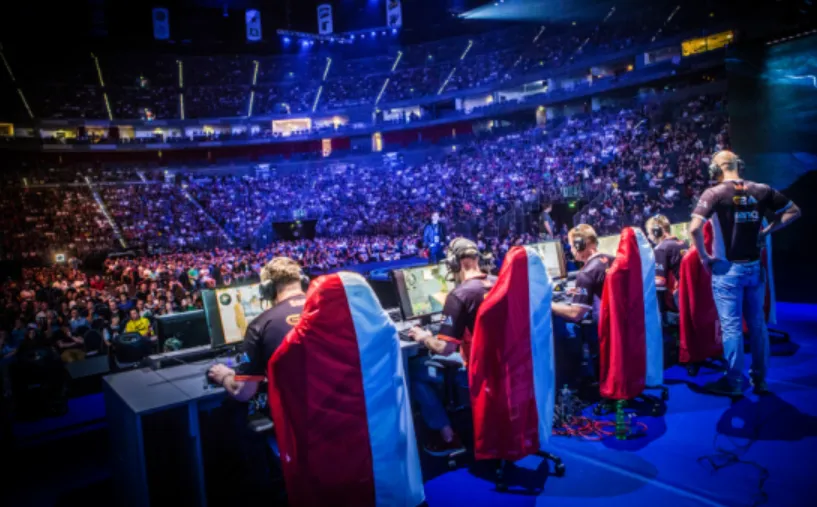
Large-scale tournaments have been essential in turning esports into a recognizable public spectacle in the United States. These events create moments where competition, production, crowd energy, and digital broadcasting converge into entertainment experiences with national and international reach.
Tournament organizers have helped competitive gaming feel bigger, more polished, and more consequential, which in turn attracts wider audiences and deeper commercial interest.
Considering this trending market, theScore Bet promo lists occasionally appear in discussions around how competitive gaming events are reaching broader entertainment audiences.
The scale of these tournaments also pressures players to perform in demanding environments, which strengthens the competitive habits required to succeed against elite international opposition.
Collegiate Esports Programs and Talent Development
Collegiate esports programs have become an important part of the American development pipeline because they give young players a structured path between amateur competition and the professional level. Schools that support esports create organized team environments, scheduled practice routines, coaching access, and competitive opportunities that mirror some of the discipline found in traditional college athletics.
These programs also legitimize esports for families, institutions, and local communities that may once have viewed competitive gaming as purely recreational. The collegiate model matters because it helps players mature both competitively and personally while remaining in stable educational settings. That blend of development and structure strengthens the broader talent pool available to professional organizations.
Why the United States Consistently Produces Elite Players
The United States consistently produces elite esports players because the surrounding ecosystem rewards high-level performance from multiple directions at once.
Skilled players can emerge from dense online competition, gain visibility through streaming, enter organized tournament circuits, join structured teams, and in some cases develop further through collegiate programs. They also operate inside a market where coaching, analytics, sponsorships, and audience support are more established than in many other regions.
This combination produces competitors who are not only mechanically strong but also experienced in pressure, adaptation, and professional expectations. When American players reach international events, they often arrive shaped by one of the deepest and most commercially mature esports systems in the world.




