


There are very few genres of gaming that are as tied to physical input as fighting games. From the early versions of arcade games to tournaments like nowadays, the way players interact with the game shapes how it is played. Fight sticks and controllers remain the overlooked element of the fighting game, though. They have evolved through the years with the development of technology and accessibility and parallel with the development of the games themselves.
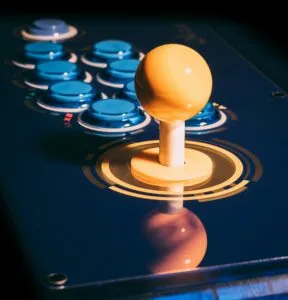
From Arcade to Personal Fight Sticks
In the arcade era, control schemes were standard. Games like Street Fighter and Tekken were built around six- or eight-button layouts. Due to the heavy use by gamers, they were manufactured to withstand constant playing. These arcade games shaped how players learned different moves, and muscle memory was forged through repetition.
As this play then moved into homes with consoles and tournament venues, players looked to recreate some of the previous arcade feel. Because of this, brands like Hori and Mad Catz grew to provide custom fight sticks for gamers. Instead of the fixed standard controllers, gamers could pick and choose what they wanted. Features like Sanwa buttons and lever resistance were personal preferences instead of standard.
Controllers and Accessibility
The rise of console controllers brought new dynamics with them. Players like Daigo Umehara and SonicFox helped popularize the use of a gamepad, which had been dismissed as inferior previously. Modern games now support a number of different input methods, from traditional sticks to hitbox-style controllers. It proves that mastery transcends hardware and also opens the games to more players who have different ways of interacting with them.
It means that across competitive tournaments we see a broader range of players with different control setups. Whether it is a ranked ladder or casual lobby, developers have responded to the diversity of needs with configurable layouts and robust training modes. This means that although it is a genre that values precision, it is increasingly recognizing the importance of accessibility in the development of the industry in the long run.
The same can be said for other sectors in the gaming industry. For example, in iGaming, platforms that offer casino bingo games often use features like real-time number calls, animation, and live presenters that are streamed on screen. These interfaces are built around the user experience and shows thoughtful design and accessibility are essential when it comes to suiting different needs. This affects player retention and enjoyment across all gaming sectors.
Input Design and Spectator Experience
When it comes to fighting games, control schemes affect how fighting games are watched as well as played. How players can play the game affects the moves the audience sees and how cleanly they can be executed. This is why we continue to hear discussion about controller bans and button mapping. The balance between freedom and standardization remains delicate and continues to be a consideration for all involved in the industry.

The evolution of controllers in the fighting game industry has been an interesting one. From arcades to the present day, they remain just as important, even though we have moved from standardization to more personal input.




