


Gaming has been a staple of human civilization for centuries. Regardless of the part of the world, people have always found ways to combine items, create rules, and inspire some sort of competition. The competition could be taking on everyone else in attendance, or defying the odds to win based on luck.
A great many games of the past have been lost to history, so those that have endured to this day are particularly impressive. A straightforward concept with accessible gameplay tends to be key to this. Roulette boasts both of these key elements, and continues to be mightily influential on the entertainment industry at large to this day.
Letting a Wheel and a Ball Decide the Game
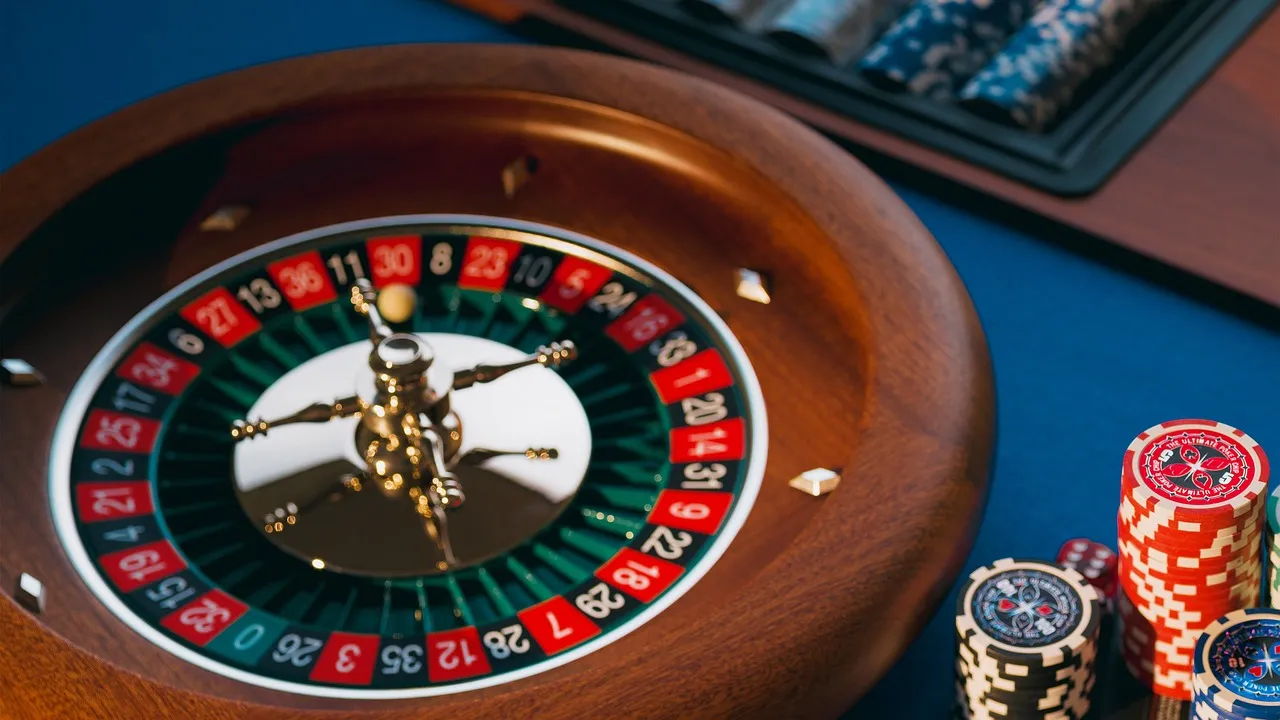
As you’d expect, roulette wasn’t just created as a pure spark of wholly original thinking. Prior to the inception of the game, the game of Biribissi was doing the rounds. The Italian creation had people betting on which number would be revealed from a blind draw of numbered items in a bag.
It was a game of luck based on numbers, but lacked the true randomness and sense of suspense that has enabled roulette to be such a longstanding game. Many different sources are cited for the leap from Biribissi to roulette, including a French monk, someone in China who had their game transported via Dominican monks, and Blaise Pascal.
Apparently, the origins of the game are in France, where roulette was created in the early 18th Century, drawing from other game influences of the day, including Portique and Hoca. The earliest known versions of roulette were written about in Bordeaux in 1716, but it wasn’t until 1790 that the modern game arrived.
Roulette barely changed over the ensuing centuries. The biggest variations that would stick would be the addition of the racetrack betting zone, a few extra rules for French roulette, and a double banker pocket when roulette began to take off in the US. Even so, the incredibly accessible core game remains its big selling point to this day.
An Entertainment Staple that’s Embedded in Pop Culture
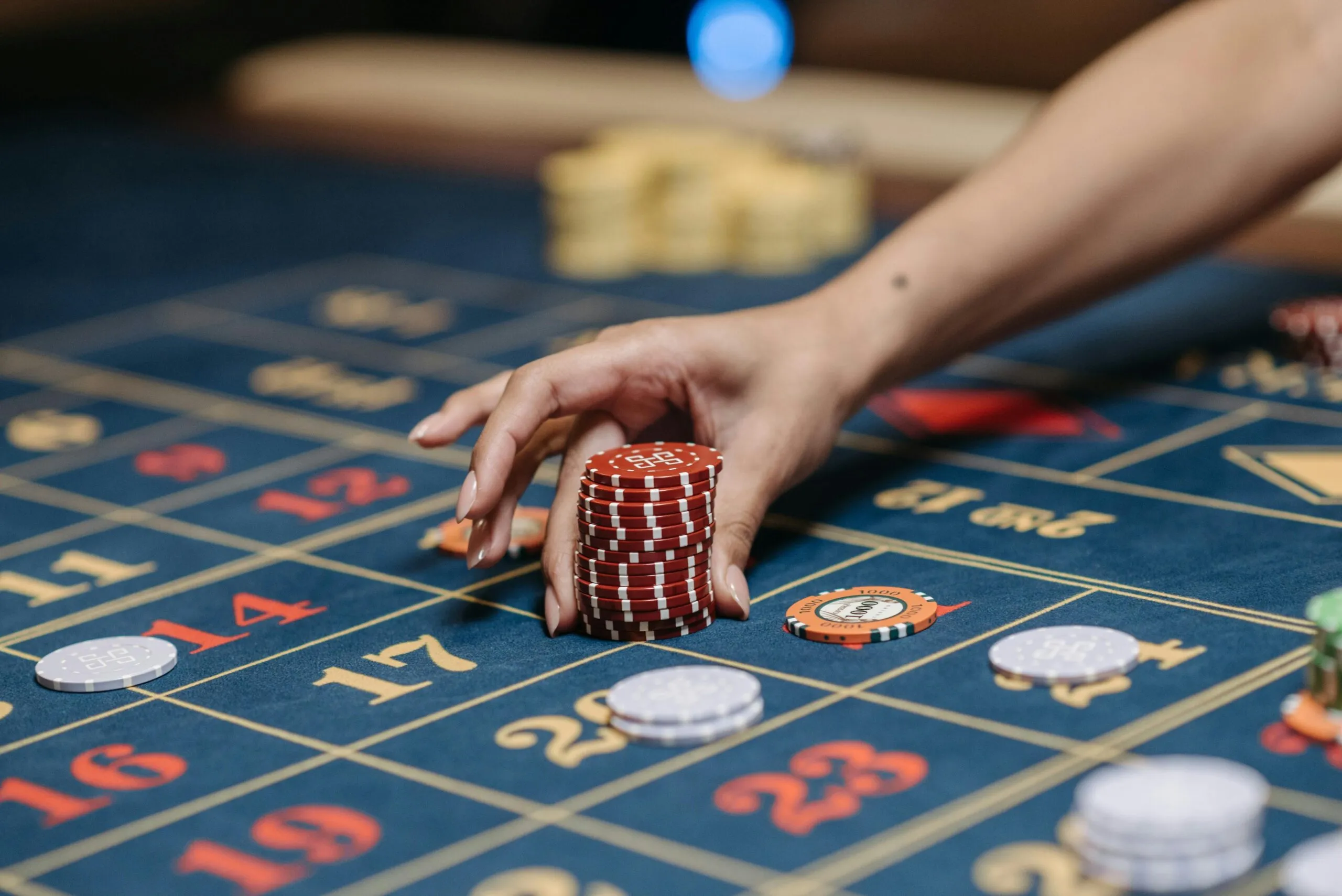
Being such a straightforward game that’s been around for centuries, it makes sense that roulette would continue to have a place in the public consciousness. The historic class, inherent drama within a round, and the colour scheme have enabled it to endure in casinos and world-class gambling locations like Monte Carlo, and become an easy reference for people.
To “play roulette” beyond the casino game itself, is the go-to phrase for randomisation with the hope of a lucky outcome. Everyone understands what this means because the game is so straightforward and long-standing: you bet on a number, watch the wheel spin, and hope the ball lands in your pocket.
Of course, with the rise of online gaming, roulette has become more complex in a few ways. Many Great Britain casino sites available online host many new, more complex forms of roulette. There’s the more familiar Penny Roulette and Premium Roulette European. Then there’s the more deluxe games like Breaking Bad Roulette Mega Fire Blaze and Xtreme Fire Blaze Roulette.
Even with this being the case, in each game, the formula is the same. So, even while these new variants have the potential to reach new audiences in different ways, they’ll still present the main game, furthering its place in modern pop culture.
Throw in its place across film, TV, and music to build tension, show class, or demonstrate a run of luck, and it’s clear to see that roulette remains embedded in pop culture even this far past its inception.




