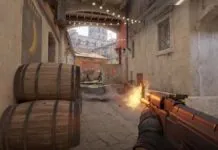
Gaming in 2025 doesn’t feel like it used to. Somewhere along the way, things got smaller,but in the best possible sense. Instead of massive, noisy lobbies packed with strangers shouting over each other, players are gravitating toward intimate circles. Shared Discord channels, niche subreddits, private servers, places where you know the usernames by heart. The energy hasn’t died down; it’s just become more focused, more personal.
These tight-knit groups are building their own culture. Inside jokes, custom mods, even mini tournaments. It’s a shift from playing games to building spaces.
When Did Big Start Feeling Too Big?
It used to be about numbers. The biggest clans, the busiest forums, the loudest Twitch chats. For a while, that made sense: more players, more energy, more visibility. But somewhere along the way, something shifted. Gamers didn’t stop wanting connection. They just started craving something quieter, closer, more intentional.
The giant threads and global shoutboxes didn’t disappear, but the soul of the conversation began migrating. First to smaller subreddits, then to group DMs, eventually to Discord servers with just the right kind of people, those who don’t need to be introduced every time they show up.
It’s no coincidence this shift lines up with the explosion in player numbers. With over 3.3 billion people gaming worldwide, the need to carve out your corner has never been greater.
None of this is broadcast on a big stage. That’s the point. These spaces are built by and for the people inside them. There’s little need to shout because everyone’s already listening. And because the group is small, the signal cuts through the noise. It feels more like talking across a table than posting into the void!
Spaces That Feel Like Home: Micro-Communities Build Fellowship
There’s something powerful about logging into a digital space and feeling like you’ve just walked into a room full of friends. That’s the kind of atmosphere micro-communities tend to build.
You’ll see it happen across all types of games. Someone starts out asking a question about a loadout or strategy, and days later they’re organizing in-game events, co-op missions, or just talking about their week. A small Discord server built around a single RPG mod suddenly becomes a tight-knit crew that trades memes, advice, and late-night voice chats.
This sense of closeness isn’t limited to traditional gaming either. It spills over into other spaces too, like iGaming environments. On no cruks casino platforms, which operate under international licenses, the social element is very much present. Players join live dealer tables for blackjack, roulette, or poker, and the chat truly feels like a low-key hangout.
At its core, that’s what keeps people coming back: a familiar group and a shared rhythm.
When Tech Stops Being a Barrier
The tech side of things doesn’t get talked about as much as it should, probably because when it works well, it fades into the background. But the truth is, micro-communities thrive because they now have tools that don’t get in the way.
Discord is the obvious example. Servers have become organized hubs. You’ve got separate rooms for tactics, art sharing, event planning, or just hanging out. And you’ve got a culture that encourages diving deep, rather than skimming the surface.
Twitch has carved out a space too. A cozy stream with 60 regulars can feel more personal and active than a massive channel with thousands.
Where the Real Growth Is Happening
Micro-communities aren’t an industry side note anymore; they’re where the most meaningful parts of gaming now unfold. Real connection. Real creativity. Real momentum.
They’re shaping habits, reimagining how games are made and played, and building trust between players and platforms in a way algorithms never could. And as the tech keeps evolving, these communities aren’t going anywhere. They’re growing, branching out, pulling more people in, one shared moment at a time.